
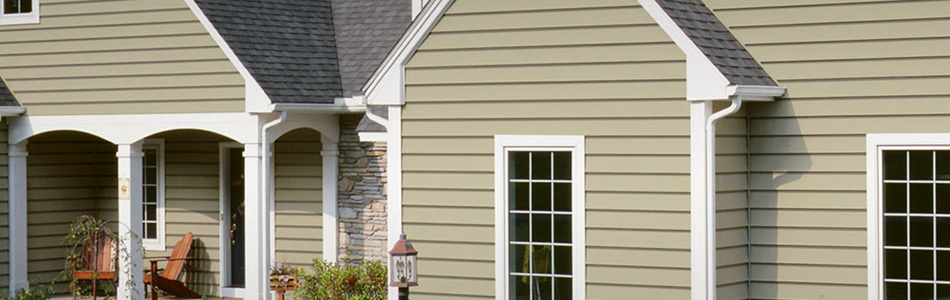
As a homeowner, you may have heard the term "building envelope" but might not be entirely sure what it means or why it's important. Simply put, the building envelope is the physical barrier between the interior and exterior of your home. It plays a crucial role in protecting your living space from the elements and maintaining energy efficiency. Let's take a closer look at the key exterior components of your home's building envelope.
Siding: Your Home's First Line of Defense
Siding is the outermost layer of your home's exterior and serves several important functions:
- Protection against weather elements (rain, snow, wind)
- Contribution to your home's aesthetic appeal
- Insulation support
Popular siding options include vinyl, fiber cement, wood, and metal. Each material has its own benefits in terms of durability, maintenance, and appearance.
Vapor Barrier: Managing Moisture
While not visible from the outside, the vapor barrier is a critical component of your home's exterior wall system. It's typically installed between the sheathing and the siding. The vapor barrier:
- Prevents moisture from penetrating the wall cavity
- Allows water vapor to escape, reducing the risk of mold and rot
- Common materials include Tyvek, Typar, or similar house wraps
Exterior Insulation: Enhancing Energy Efficiency
Exterior insulation is becoming increasingly popular in both new construction and retrofits. Installed outside the wall sheathing, it offers several advantages:
- Reduces thermal bridging through wall studs
- Improves overall R-value of the wall assembly
- Helps maintain a more consistent indoor temperature
Common types include rigid foam boards, mineral wool, or spray foam insulation.
Windows: Balancing Light, View, and Efficiency
Windows are a vital part of your home's envelope, providing:
- Natural light and ventilation
- Views to the outside
- Significant impact on energy efficiency
Modern windows often feature double or triple panes, low-E coatings, and inert gas fills to improve insulation properties. Proper installation is crucial to prevent air and water leakage.
Doors: Secure Access Points
Exterior doors are more than just entryways; they're an integral part of your home's envelope:
- Provide security and access control
- Contribute to energy efficiency (especially when properly weatherstripped)
- Add to the home's curb appeal
Materials like fiberglass, steel, and wood offer different benefits in terms of insulation, durability, and aesthetics.
The Importance of Integration
While each of these components plays a specific role, their effectiveness relies heavily on how well they work together. Proper integration ensures that:
- Water is directed away from the structure
- Air leakage is minimized
- Thermal performance is optimized
Professional installation is key to achieving a well-functioning building envelope.
Maintenance Matters
Regular maintenance of these exterior components is crucial:
- Inspect siding for damage or wear
- Ensure caulking around windows and doors is intact
- Check for any signs of water intrusion
- Clean gutters to prevent water from backing up against the building envelope
Conclusion
Understanding the exterior components of your home's building envelope empowers you to make informed decisions about maintenance, upgrades, and energy efficiency improvements. By taking care of these crucial elements, you're not just protecting your investment – you're ensuring a comfortable, efficient, and durable home for years to come.Remember, if you're planning any significant changes or upgrades to your home's exterior, it's always wise to consult with a qualified professional to ensure that all components of your building envelope work together effectively.