
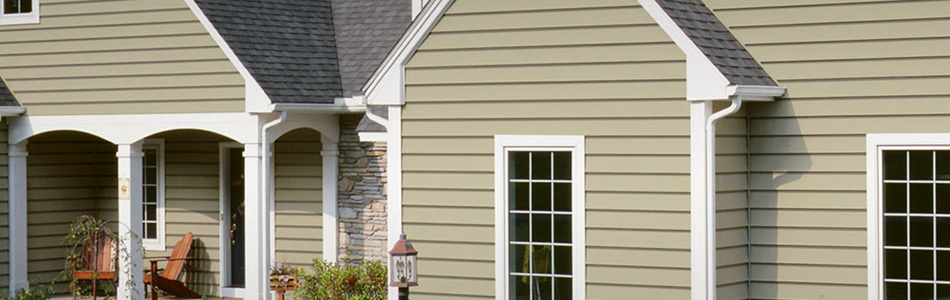
When it comes to improving your home's energy efficiency, exterior foam insulation under vinyl siding is a game-changer. This innovative approach not only enhances your home's insulation but also addresses a critical issue in building science: thermal bridging. Let's explore the significant benefits of this insulation method and how it can transform your home's performance.
Understanding Thermal Bridging
Before diving into the benefits, it's crucial to understand the concept of thermal bridging. Thermal bridges are areas in the building envelope where heat can easily transfer between the interior and exterior due to a break in the insulation layer. In traditional construction, studs in walls often act as thermal bridges, allowing heat to escape in winter and enter in summer.
Breaking the Thermal Bridge
Exterior foam insulation is a powerful solution to this problem. Here's how it works:
- Continuous Insulation Layer: The foam is applied over the entire exterior wall surface, creating an unbroken insulation barrier.
- Stud Isolation: By covering the studs from the outside, the foam prevents them from acting as thermal conductors.
- Enhanced R-Value: The exterior insulation adds to the overall R-value of the wall assembly, significantly improving its thermal performance.
Key Benefits of Exterior Foam Insulation
1. Improved Energy Efficiency
By breaking the thermal bridge, exterior foam insulation dramatically reduces heat loss in winter and heat gain in summer. This translates to lower energy bills and a more comfortable living environment year-round.
2. Moisture Management
When properly installed, exterior foam insulation can act as an additional weather barrier, helping to manage moisture and prevent water infiltration.
3. Reduced Risk of Condensation
By keeping the wall cavity warmer, exterior foam insulation reduces the risk of condensation within the wall assembly, which can lead to mold growth and structural damage.
4. Enhanced Durability of Building Materials
Protecting the structural elements of your home from temperature fluctuations and moisture can extend the life of these materials.
5. Increased Indoor Comfort
With better insulation comes more stable indoor temperatures, reducing drafts and cold spots in your home.
6. Potential for Thinner Walls
In new construction, exterior foam insulation can allow for thinner overall wall assemblies while still meeting or exceeding energy code requirements.
Installation Considerations
While the benefits are clear, proper installation is crucial:
- Ensure proper thickness and R-value for your climate zone
- Use compatible materials with your vinyl siding system
- Pay attention to flashing and water management details
- Consider fire safety requirements in your area
Conclusion
Exterior foam insulation under vinyl siding is more than just an add-on; it's a comprehensive approach to improving your home's performance. By breaking the thermal bridge, you're not only saving energy but also creating a more durable, comfortable, and efficient home. As energy costs continue to rise and climate concerns grow, this insulation method stands out as a smart investment for homeowners looking to future-proof their properties.Remember, while the upfront cost might be higher than traditional insulation methods, the long-term savings and benefits make exterior foam insulation a wise choice for many homeowners. Always consult with a qualified professional to ensure the best solution for your specific home and climate.