
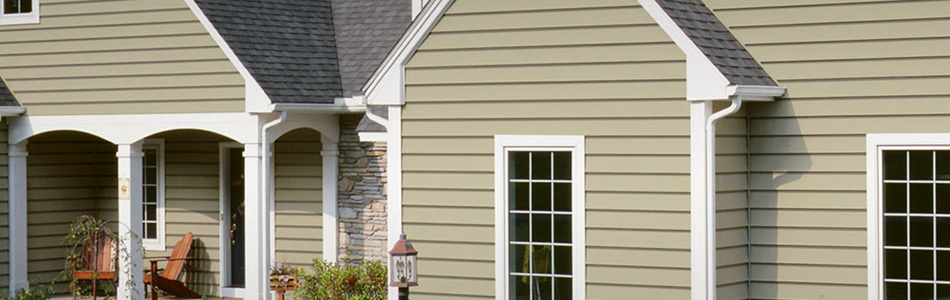
When building or renovating a home, there's a crucial component that often goes unnoticed but plays a vital role in protecting your investment: house wrap. This thin, synthetic material acts as a guardian for your home, offering multiple benefits that contribute to its longevity, energy efficiency, and overall comfort. Let's dive into what house wrap is and why it's so important.
What is House Wrap?
House wrap is a lightweight, synthetic material installed between the exterior cladding (siding, brick, etc.) and the sheathing of a home. It serves as a weather-resistant barrier, protecting the structure from moisture infiltration while allowing water vapor to escape.
Key Benefits of House Wrap
1. Moisture Management
One of the primary functions of house wrap is to prevent water from entering the wall cavity. It acts as a drainage plane, directing any water that penetrates the exterior cladding away from the structure. This protection is crucial in preventing mold growth, wood rot, and other moisture-related issues that can compromise your home's integrity.
2. Improved Energy Efficiency
House wrap serves as an air barrier, reducing air infiltration through the walls. This can significantly improve your home's energy efficiency by:
- Reducing drafts
- Lowering heating and cooling costs
- Enhancing the performance of insulation
3. Enhanced Indoor Air Quality
By blocking air infiltration, house wrap helps keep outdoor pollutants, allergens, and dust from entering your home through the walls. This can contribute to better indoor air quality and a healthier living environment.
4. Increased Durability of Building Materials
By managing moisture and reducing air movement within wall cavities, house wrap helps extend the life of your home's structural components and insulation. This can save you money on repairs and replacements in the long run.
Installation Considerations
Proper installation is crucial for house wrap to perform effectively:
- It should be installed with overlapping seams to ensure continuous coverage
- Seams and penetrations should be taped to maintain the air and water barrier
- Care must be taken to avoid tears or punctures during installation
Types of House Wrap
There are several types of house wrap available, including:
- Non-perforated wraps (like Tyvek)
- Perforated wraps
- Drainable house wraps (with a textured surface for enhanced water drainage)
The choice depends on your specific climate and building design needs.
Conclusion
While often hidden behind your home's exterior finish, house wrap plays a crucial role in protecting your investment. It manages moisture, improves energy efficiency, and contributes to a healthier indoor environment. When building or renovating, don't overlook this essential component of your home's building envelope. Consult with a professional to ensure you choose the right type of house wrap and have it properly installed for maximum benefit.Remember, the small investment in quality house wrap can lead to significant long-term savings and a more comfortable, durable home.