
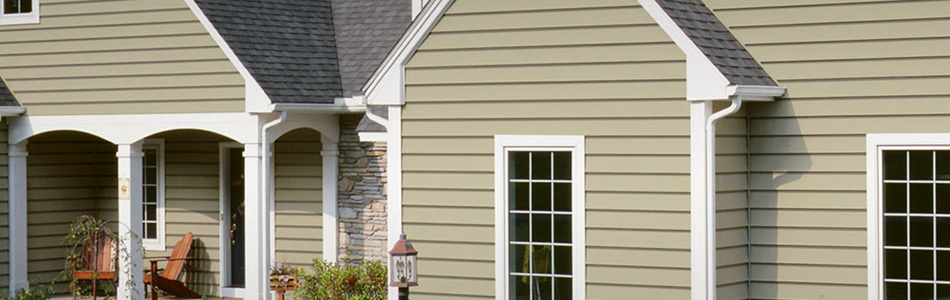
As temperatures soar, homeowners often find themselves battling to keep their living spaces comfortable without breaking the bank on energy bills. The secret to a cool, energy-efficient home lies not just in your air conditioning system, but in the very walls that surround you. Let's explore how siding, exterior insulation, and house wrap work in harmony to keep your house cool when the mercury rises.
The Three-Layered Defense Against Heat
1. Siding: Your First Line of Defense
Siding is more than just a pretty face for your home. It plays a crucial role in reflecting sunlight and heat:
- Light-colored siding reflects more sunlight, reducing heat absorption.
- Modern vinyl and fiber cement sidings are engineered to resist heat transfer.
- Some siding materials come with built-in insulation for added thermal protection.
2. Exterior Insulation: The Thermal Barrier
Exterior insulation, often in the form of rigid foam boards, provides a continuous layer of protection:
- It reduces thermal bridging through wall studs.
- Keeps the wall cavity cooler, improving the effectiveness of interior insulation.
- Can increase your wall's R-value significantly, enhancing overall energy efficiency.
3. House Wrap: The Moisture and Air Guardian
While primarily designed for moisture control, house wrap also contributes to temperature regulation:
- It creates an air barrier, preventing warm outside air from infiltrating your home.
- Allows water vapor to escape, reducing heat buildup from trapped moisture.
- Some house wraps have reflective properties, further reducing heat gain.
How They Work Together
This trio of exterior components creates a synergistic effect:
- The siding reflects initial heat and sunlight.
- Any heat that penetrates the siding encounters the exterior insulation, which slows its progress.
- The house wrap ensures that any residual heat doesn't sneak in through small gaps or cracks.
Together, they create a robust thermal envelope that significantly reduces the amount of heat entering your home.
Benefits Beyond Cooling
This system doesn't just keep you cool in summer:
- It helps maintain warmth in winter, reducing heating costs.
- Improves overall energy efficiency year-round.
- Reduces strain on your HVAC system, potentially extending its lifespan.
- Can contribute to a more consistent indoor temperature throughout your home.
Conclusion: Invest in Your Comfort
While updating your home's exterior might seem like a significant investment, the long-term benefits in comfort and energy savings can be substantial. By ensuring your home has quality siding, proper exterior insulation, and a well-installed house wrap, you're not just preparing for this summer – you're investing in year-round comfort and efficiency for years to come.Remember, a cool home starts with smart exterior choices. So next time you're considering home improvements, think beyond the interior – your most effective cooling system might just be in your walls!